
Top 5 Challenges Managers Face with Gen Z…and how to support them to thrive at work

Updated: Feb 23
Across many organisations today, I hear the same feedback from apprenticeship leads, HR teams, and line managers:
“Our young staff are brilliant — but they’re struggling with resilience, communication, and confidence.”
They’re talented, creative, and fast learners. Many come into the workplace with skills that organisations genuinely need. Yet, they often find it hard to cope with feedback, speak up in meetings, manage stress, or understand workplace expectations.
This isn’t because they don’t care. And it’s not because they’re “too sensitive.” It’s simply that no one has helped them build these skills yet.
The transition from school or college into employment is a huge emotional shift. It’s a new environment, a new identity, and a new set of expectations. Many young people are trying to work all of this out on their own while also trying to impress their employer.
As a result, both sides feel pressure:
Managers feel unsure how to support them.
Young staff feel unsure how to cope.
Understanding these challenges is the first step to building a workplace where young people can thrive and contribute confidently.
Understanding the Challenges
Let’s explore the five biggest challenges organisations report — and what we can do about them.
🧠 1. Taking Feedback Personally
Many young employees experience feedback as a threat rather than support. When they’re given correction, they often become anxious, quiet, or defensive.
💡 Why this happens:
In school, most feedback is:
Private
Written
Directed at them as a learner
In the workplace, feedback is:
Verbal
Direct
Focused on performance and impact
It’s a big emotional jump. Without the right tools, feedback can feel like judgement rather than growth.
🛠 A supportive approach:
Using a simple framework can make feedback clearer and less emotional. You might try:
WIN:
W — What went well
I — Improvements
N — Next steps
This helps feedback feel like a path forward, not a personal criticism.
⚡ 2. Lower Tolerance for Stress and Uncertainty
Research shows that Gen Z are reporting higher levels of anxiety and burnout than previous generations. This isn’t a weakness — it’s a reflection of the world they’ve grown up in.
🌍 They’ve experienced:
Disrupted education during key developmental years
A mental health crisis that’s impacted their generation deeply
Constant comparison through social media
Ongoing worries about finances, climate, and job security
They’re arriving at work with less practice recovering from stress, not less potential to manage it.
🛠 A supportive approach:
Managers don’t need to “fix” stress — just create a culture where regulating emotions is normal. Simple tools such as grounding techniques, breathing resets, healthy breaks, and “pause before reacting” strategies can make pressure manageable.
🗣 3. Uncertainty About How to Communicate With Authority
Many young adults simply haven’t been taught how to speak confidently with managers. Avoiding communication isn’t laziness — it’s anxiety or fear of “getting it wrong.”
💡 What they’ve rarely been taught:
How to ask for help professionally
How to say “I don’t understand”
How to raise concerns respectfully
How to receive feedback without shutting down
When we expect young employees to “just know” how to do this, we give them expectations without guidance.
🛠 A supportive approach:
Offer phrases they can borrow until they build confidence. For example:
“I’m not confident with this yet. Could we go through it together once more?”
“I’d like feedback on what to improve. What would you recommend I try next?”
Communication isn’t a personality trait — it’s a skill that grows with practice and reassurance.
🌱 4. A Strong Need for Purpose and Clarity
Gen Z care deeply about wellbeing, values, and the impact of their work. They are motivated when they feel connected to what they’re doing — not just completing tasks.
💬 They want to understand:
Why this task matters
Who it helps
How it fits into the bigger picture
This isn’t being “demanding.” It’s how they build meaning and motivation.
🛠 A supportive approach:
A simple explanation changes everything:
“We’re doing this because it helps our clients get answers quicker.”
Purpose doesn’t require a big speech — just clarity.
📘 5. Confusion Around Workplace Expectations
Young people haven’t had as many chances to learn workplace norms through Saturday jobs, family experiences, or community settings. So much learning that used to happen informally simply isn’t happening anymore.
💡 They genuinely do not know:
The right way to ask questions
When it’s appropriate to speak up
Break expectations
What to do after a mistake
How early or prepared they should be for meetings
When no one explains the rules, they’re left to guess — and they worry about guessing wrong.
🛠 A supportive approach:
Create a gentle, explicit induction that includes emotional expectations, not just tasks and policies. Think of it as a wellbeing and communication guide to working in your organisation.
🌟 The Real Message: These Are Skills, Not Problems
None of the issues above are personality flaws or unwillingness to work. They are skills gaps, and skills can be learned.
When organisations invest in young employees through coaching and resilience-building, we see:
✔ Better communication
✔ More proactive attitudes
✔ Improved confidence and wellbeing
✔ Reduced overwhelm and disengagement
✔ Stronger relationships with managers
✔ Higher retention and morale
Young adults thrive when they are supported as whole people, not just workers.
💼 Supporting Your Young Workforce Starts Here
I help organisations support young employees through:
🔹 1:1 or group workplace coaching
🔹 Training for managers working with Gen Z
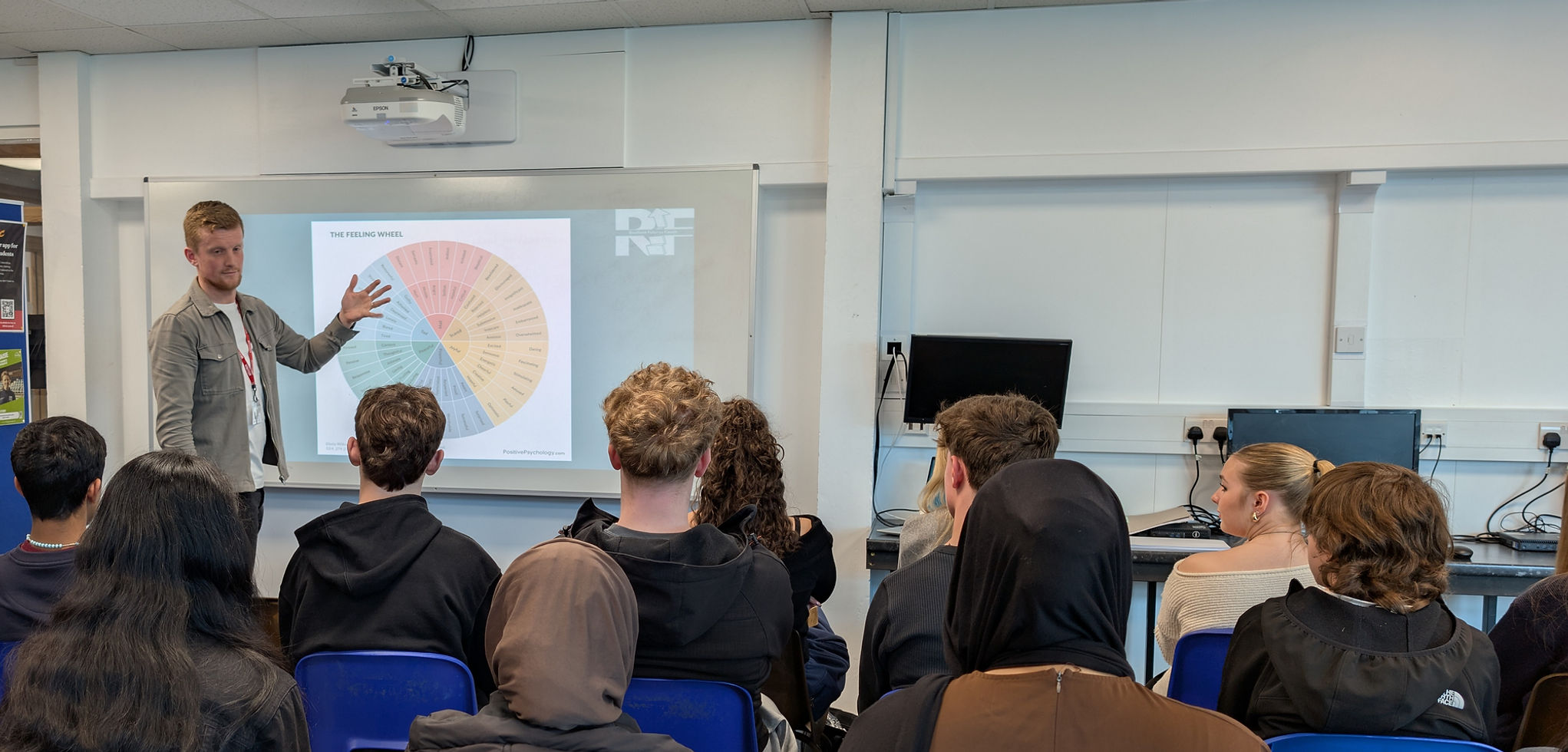
🔹 Workshops on resilience, wellbeing, and communication
These programmes are designed to empower young adults with practical, life-long skills they’ll carry into every job.
📩 If you’d like to explore support for your team, I’d love to talk.
Building Resilience for a Thriving Future
In today’s fast-paced world, building resilience is crucial. It’s not just about coping; it’s about thriving. We can create environments where young professionals feel safe to express themselves and grow.
Imagine a workplace where feedback is seen as a stepping stone, not a stumbling block. Where stress is managed through supportive practices, and communication flows freely. This is possible when we prioritise mental resilience and emotional intelligence.
Let’s work together to bridge the gap between education and successful employment. By fostering these skills, we can empower young adults to navigate their careers with confidence and clarity.
Building a resilient future starts with us. Are you ready to take the first step?
---
If you're interested in learning more about how to support your young workforce, please reach out. Together, we can create a thriving workplace that benefits everyone.
---



Comments